April 14, 2026
Water can seem manageable at first, especially when damage appears limited to one room or one section of flooring. In reality, moisture often travels well beyond what people can see. It can move behind drywall, sink into insulation, collect under flooring, and settle into subflooring before stains or odors become obvious. That is why prompt professional help matters. Water damage restoration gives property owners a clear process for responding to leaks, burst pipes, appliance failures, and storm intrusion before the problem grows more expensive and disruptive. Rather than cleaning only what is visible, the work focuses on locating hidden moisture, drying the area properly, and restoring affected materials in a way that supports safety and long-term stability. It also creates a more organized path forward during a moment that often feels overwhelming and unpredictable for the people affected. When handled quickly and thoroughly, it helps reduce the risk of mold, limits structural decline, and makes recovery less stressful for everyone involved.
Responding Quickly to Damage
One of the greatest advantages of professional service is the speed and structure it brings to a confusing situation. After a water event, every hour counts. Moisture starts soaking porous materials almost immediately, and delays make cleanup harder. A trained team can identify the source, determine whether the water is clean or contaminated, and build a plan that addresses both visible damage and hidden risks.
This early stage is where water damage restoration provides major value. Professionals do not simply remove puddles and leave. They evaluate flooring, walls, trim, contents, and nearby spaces that may have absorbed moisture without obvious signs. Fast action can prevent swelling, staining, warping, and odor development that often worsen when property owners wait too long.
Removing Water Efficiently
After the initial assessment, extraction becomes the next critical step. Standing water can weaken flooring, damage furniture, ruin stored belongings, and create slip hazards. In some situations, it can also contain contaminants, especially when the source involves sewage backups or stormwater.
Professional extraction equipment removes water far more effectively than household tools. Pumps, wet vacuums, and specialized systems can clear large amounts of water before it spreads further into the structure. This is not only a matter of convenience. It is about limiting exposure time and reducing how much moisture can soak deep into building materials.
Water damage restoration works best when extraction is completed thoroughly, because proper water removal creates a better starting point for drying, cleaning, and repair work. What gets removed quickly is less likely to cause damage later.
Drying Hidden Moisture Completely
Visible water is only part of the problem. Moisture trapped behind walls, under flooring, inside cabinets, and within framing can remain long after surfaces look dry. This hidden moisture is one reason do-it-yourself cleanup often falls short. A room may appear normal again while damp materials continue deteriorating out of sight.
According to This Old House, about 22.6% of home insurance claims between 2019 and 2023 were due to water damage or freezing, making them second only to wind or hail damage. That helps explain why thorough follow-up matters. Water-related losses are common, and incomplete drying can turn one event into a long-term property issue.
Professional drying methods rely on air movers, dehumidifiers, and moisture meters that allow teams to measure conditions rather than guess. Water damage restoration is most effective when technicians confirm that materials have returned to acceptable moisture levels before the job is considered complete. That approach helps protect framing, drywall, and subfloors that might otherwise stay damp and unstable.
Preventing Mold Growth Early
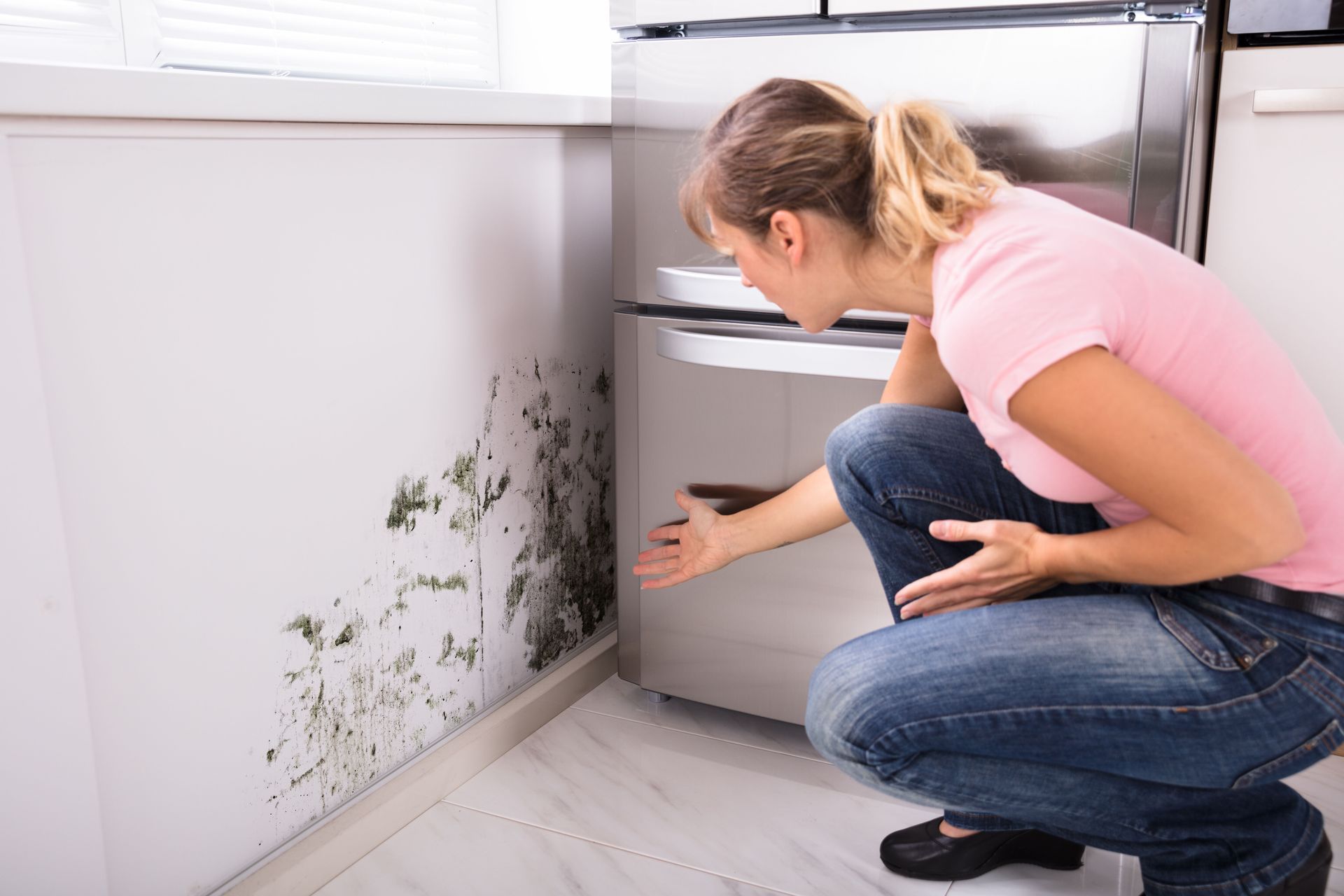
Mold is one of the most common concerns after a leak or flood. Damp conditions can support growth quickly, and once mold appears, cleanup usually becomes more complicated and expensive. Property owners may then face damaged materials, persistent odors, and indoor air quality concerns in addition to the original water problem.
This is another reason water damage restoration matters. By removing moisture promptly, drying materials fully, and cleaning affected surfaces correctly, professionals help reduce the conditions that allow mold to develop. They can also identify areas that need extra attention, such as insulation, carpeting, wall cavities, and enclosed spaces with limited airflow.
Preventing mold is not just about avoiding visible spots on a ceiling or wall. It is about protecting the overall environment of the property so the space remains safer, cleaner, and easier to maintain after the incident.
Protecting Structural Materials
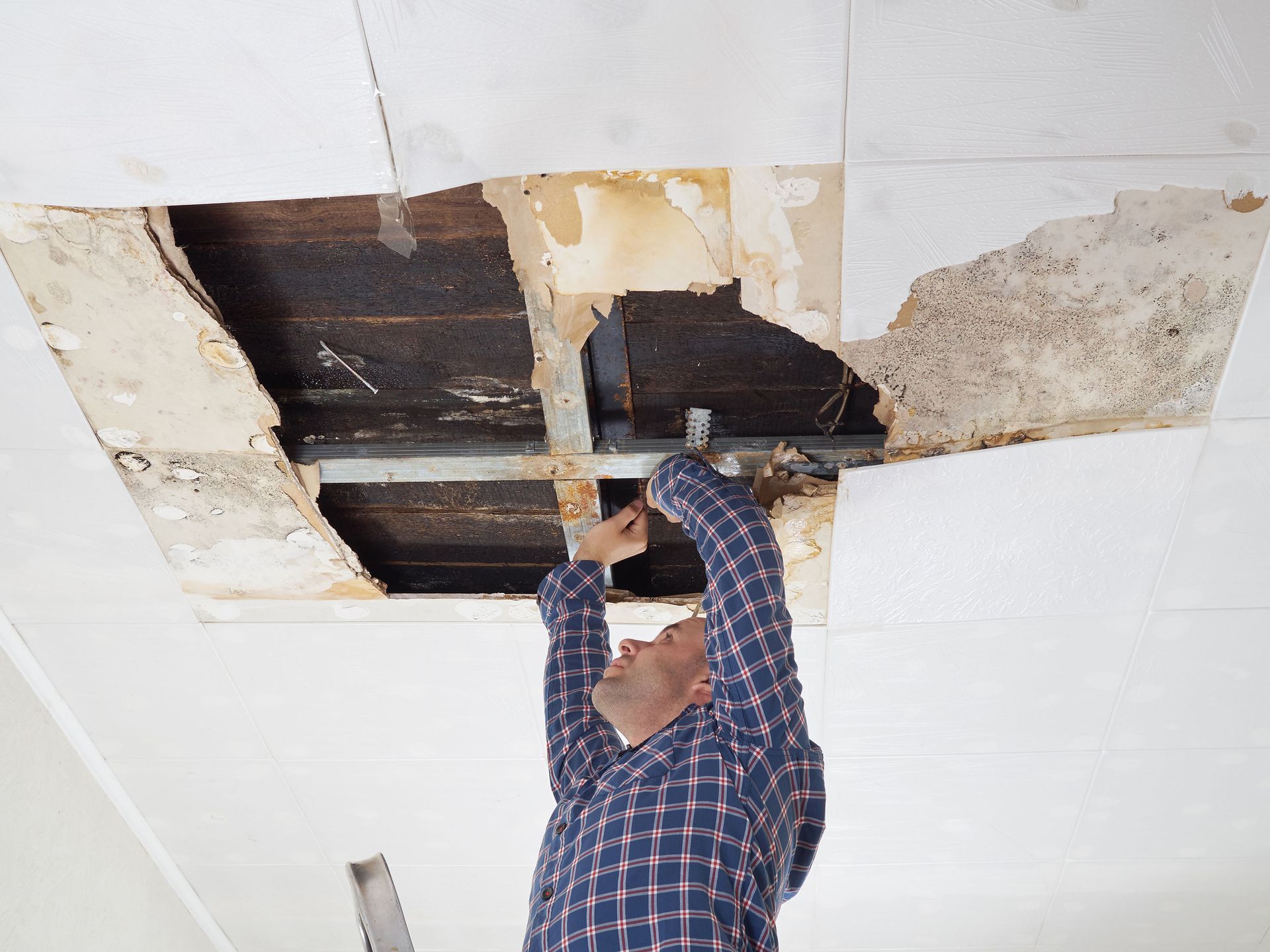
Water affects more than surface finishes and belongings. It can also damage the materials that support the building itself. Wood may swell or rot, drywall can soften, insulation can lose effectiveness, and metal parts may begin to corrode. Over time, these changes can weaken the structure and increase repair costs.
That is why water damage restoration should not be viewed as simple cleanup. It is a protective step for the property as a whole. Restoration teams evaluate what can be dried and saved, what needs removal, and what should be repaired to maintain safety and performance. Leaving saturated materials in place may allow deterioration to continue, while unnecessary removal can increase cost. Careful decisions at this stage can keep minor damage from spreading into adjoining rooms or affecting materials that were not originally part of the loss.
A careful process helps preserve as much of the property as possible while still addressing real risks. That balance is important for homeowners and business owners who want effective results without avoidable loss.
Reducing Ongoing Losses
Water damage disrupts more than the building. It can interrupt routines, create emotional strain, and lead to major financial setbacks. People may need temporary housing, replacement items, schedule changes, and repairs that affect daily life or business operations. The longer the damage remains unresolved, the more these burdens tend to grow.
A prompt response helps limit that fallout. Water damage restoration can preserve salvageable contents, reduce the scope of demolition, and shorten the time needed to return a property to normal use. It can also provide process clarity that helps owners understand what was affected and what was done to correct it.
There is also peace of mind in knowing the problem was handled methodically. Instead of wondering whether moisture remains behind the walls or whether odors will return later, owners can move forward with greater confidence in the condition of the space.
Restoring Safer Conditions
A successful recovery is about more than appearance. A room may look clean after water is removed, but real restoration means creating conditions that are dry, stable, and safe for daily use. Floors should feel solid, surfaces should be properly cleaned, and damaged materials should be addressed instead of covered up.
That is where the full purpose of water damage restoration becomes clear. The goal is not only to respond to immediate damage but also to prevent secondary issues from continuing to affect the property. From mold prevention to structural protection to loss reduction, each step supports a healthier and more dependable environment.
Whether the cause is a burst pipe, roof leak, appliance overflow, or storm-related intrusion, acting quickly improves the outcome. Water damage restoration gives property owners a stronger chance to preserve materials, control costs, and avoid deeper complications caused by lingering moisture. Call Water Restoration Inc today to schedule your water damage restoration service.