February 21, 2026
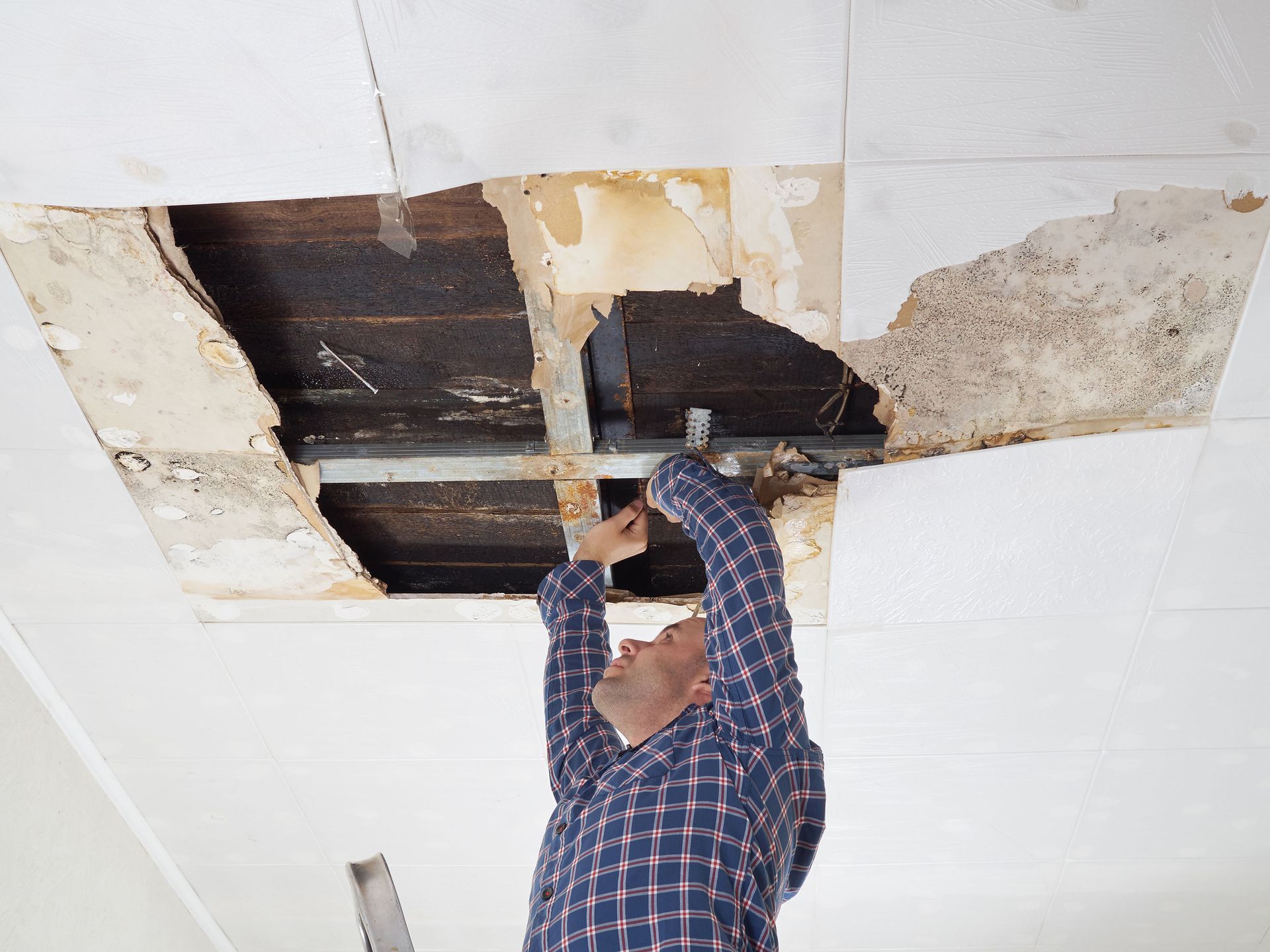
Water intrusion is one of the most underestimated threats to a building. While the visible effects of water are often obvious — stained drywall, warped flooring, or peeling paint — the most serious damage typically develops out of sight. Moisture that penetrates structural components can silently compromise framing, weaken materials, and create conditions for mold growth. Over time, what began as a manageable incident can evolve into a costly structural problem.
Professional intervention plays a critical role in interrupting this progression. Effective water damage restoration is not simply about drying surfaces; it is a systematic process designed to protect the integrity of the structure itself. By addressing moisture at its source and preventing secondary deterioration, professional restoration helps property owners avoid long-term damage that may otherwise remain hidden for months or even years.
Understanding How Water Compromises Structural Materials
Water affects building materials in different ways depending on duration, saturation level, and material composition. Wood framing, for example, absorbs moisture quickly. Prolonged exposure can lead to swelling, warping, and eventual loss of structural strength. Even minor dimensional changes can create stress points throughout the building envelope.
Drywall and insulation are equally vulnerable. Once saturated, drywall loses rigidity and begins to deteriorate. Insulation trapped within wall cavities retains moisture, creating a persistent humidity source that accelerates material breakdown. Left untreated, these issues compound, often requiring extensive reconstruction rather than targeted repair.
Professional water damage restoration focuses on moisture removal before these structural changes become irreversible. Rapid extraction and controlled drying stabilize materials, reducing the likelihood of permanent deformation or weakening.
Identifying Hidden Moisture Before Damage Escalates
One of the most dangerous aspects of water damage is its ability to spread undetected. Moisture travels through porous materials, seeps into cavities, and migrates along structural pathways. By the time visible symptoms appear, saturation may already be extensive.
Hidden leaks are particularly problematic. According to This Old House, hidden leaks can cause the average household to lose nearly 10,000 gallons of water per year. Beyond water waste, these slow, persistent intrusions continuously expose structural components to moisture. Over time, this leads to rot, corrosion, and mold colonization.
Professionals use moisture meters, infrared imaging, and hygrometric analysis to detect water that DIY methods often miss. Without these tools, homeowners may dry what they can see while leaving moisture trapped within subfloors or wall assemblies. Comprehensive water damage restoration ensures that concealed moisture pockets are properly addressed.
Preventing Wood Rot and Structural Weakening
Wood rot does not occur immediately after water exposure. It develops when moisture levels remain elevated long enough for fungal activity to begin. This delayed onset often creates a false sense of security for property owners who believe the issue has resolved itself.
Rot compromises load-bearing capacity. Structural members may appear intact externally while internal fibers degrade. This weakening can lead to sagging floors, compromised roof supports, and, in severe cases, structural failure.
Professional water damage restoration interrupts the conditions required for rot development. Industrial-grade air movers, dehumidifiers, and controlled drying strategies reduce moisture content to safe levels. This is a critical distinction from consumer-grade equipment, which typically lacks the power necessary to dry dense materials effectively.
DIY drying efforts frequently extend the drying timeline, inadvertently increasing the risk of fungal growth and structural deterioration.
Mitigating Mold Growth and Secondary Damage
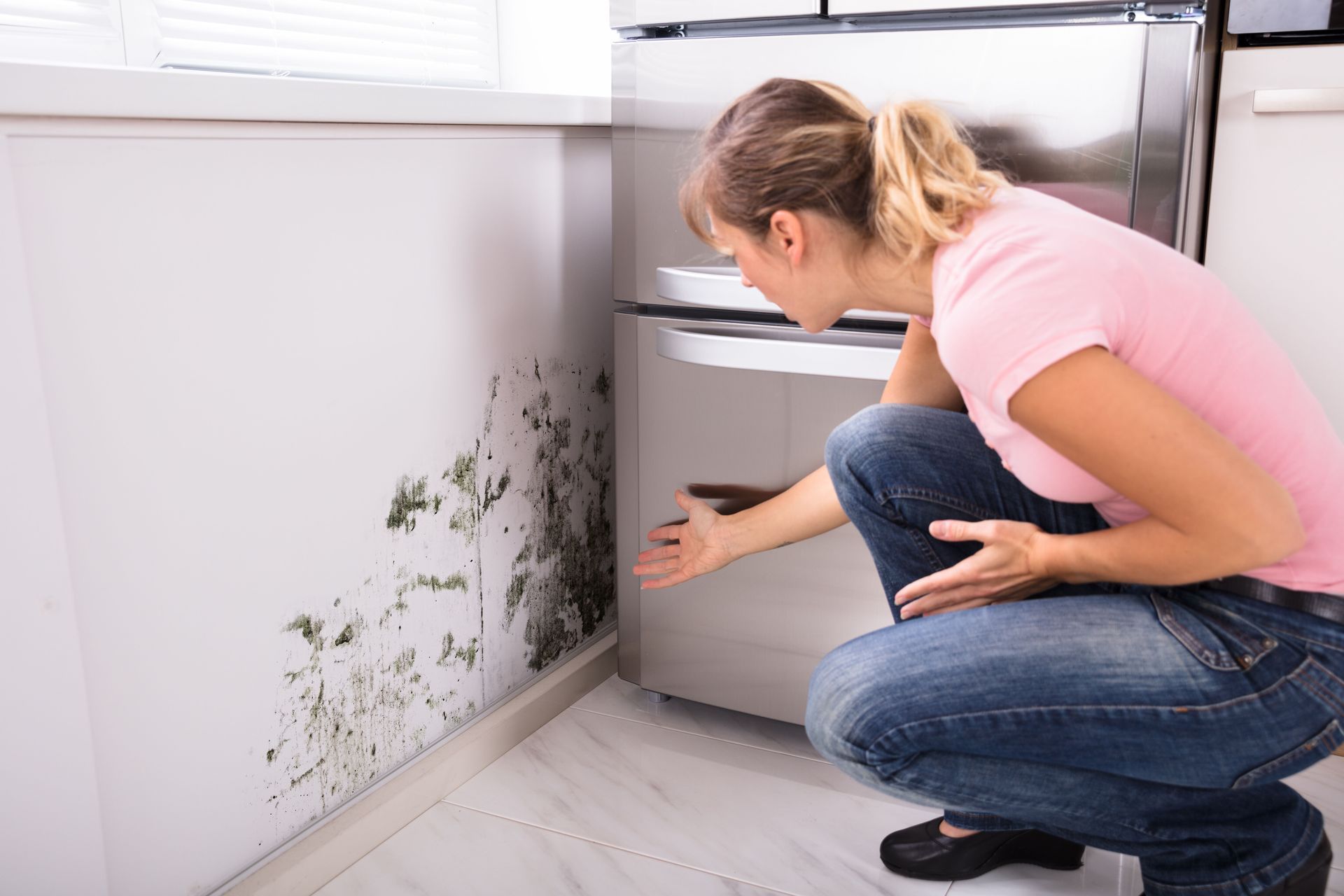
Mold is not just an air quality concern — it is a structural one. Mold colonies feed on organic building materials, gradually breaking them down. Additionally, microbial growth often signals persistent moisture problems that continue to affect structural components.
In our experience, mold can develop within 24 to 48 hours under favorable conditions. Once established, remediation becomes more complex and expensive. Simply cleaning visible mold does not eliminate contamination within hidden cavities.
A key objective of professional water damage restoration is preventing mold colonization before it begins. By controlling humidity, removing saturated materials, and ensuring thorough drying, professionals reduce the likelihood of microbial amplification.
DIY approaches often underestimate this risk. Surface drying, household fans, or delayed response times create an environment where mold can thrive even when materials feel dry to the touch.
Protecting Foundations and Subfloor Systems
Water does not need to flood a space to cause foundational damage. Persistent moisture infiltration can gradually erode supporting systems. Subfloors may weaken, adhesives may fail, and structural connections may loosen.
Excess moisture near foundations can also lead to soil expansion and contraction. These shifts place stress on concrete slabs and footings, potentially resulting in cracks or settlement issues.
Professional water damage restoration includes evaluation of moisture migration patterns. Specialists assess not only the immediate impact zone but also adjacent structural elements. Proper extraction and drying prevent moisture from compromising critical support systems.
DIY mitigation rarely accounts for these broader structural implications. What appears to be a localized problem may, in reality, involve interconnected building components.
Reducing Long-Term Repair and Reconstruction Costs
Delayed or incomplete mitigation significantly increases repair costs. Materials that might have been salvaged with rapid intervention often require replacement once deterioration progresses.
Structural repairs are particularly expensive because they involve demolition, rebuilding, and potential displacement of occupants. Preventive measures, by contrast, are far more economical.
Professional water damage restoration emphasizes early stabilization. Rapid response minimizes material loss, reduces reconstruction scope, and prevents cascading damage. This proactive approach is fundamentally different from reactive DIY repairs, which frequently address symptoms rather than underlying moisture conditions.
Investing in professional restoration often translates into measurable long-term savings.
Ensuring Comprehensive Drying and Environmental Stabilization
Drying is not a passive process. Effective moisture removal requires calculated airflow, temperature control, and humidity management. Improper drying can trap moisture, create condensation issues, or cause material stress.
Professionals design drying strategies based on psychrometric principles. Equipment placement, drying duration, and environmental monitoring are continuously adjusted to optimize results. This precision prevents both under-drying and over-drying, each of which carries structural risks.
DIY drying efforts lack this level of control. Household equipment is not designed for structural drying, and trial-and-error methods often prolong moisture exposure.
Comprehensive water damage restoration ensures that the indoor environment returns to stable conditions, protecting both structural materials and occupant health.
Avoiding Insurance Complications and Coverage Gaps
Improper mitigation can affect insurance claims. Many policies require property owners to take reasonable steps to prevent further damage. Incomplete or ineffective drying may be interpreted as negligence, potentially complicating coverage.
Professional documentation is a critical component of water damage restoration. Restoration specialists record moisture levels, drying progress, and remediation measures. This documentation supports claims and provides evidence of proper mitigation.
DIY efforts often lack the technical records necessary to demonstrate adequate response. Even well-intentioned actions may inadvertently jeopardize coverage if secondary damage develops.
Water damage is rarely confined to what is immediately visible. Moisture intrusion initiates a chain reaction that can weaken materials, destabilize structures, and create costly long-term problems. The true risk lies not in the initial incident but in what happens when water is not properly addressed.
Professional water damage restoration functions as a structural safeguard. By identifying hidden moisture, stabilizing materials, and preventing secondary deterioration, restoration specialists protect the long-term integrity of the property. The difference between professional intervention and DIY mitigation is not merely convenience — it is structural preservation.
If your property has experienced water intrusion, early action is essential. Contact us at Water Restoration Inc, and let us help you prevent minor water damage from becoming a major structural issue.